
$67.14
On Hold
Lychee Plant Rare Fruit Garden Plant Home Live Plant Rare Garden #MPS
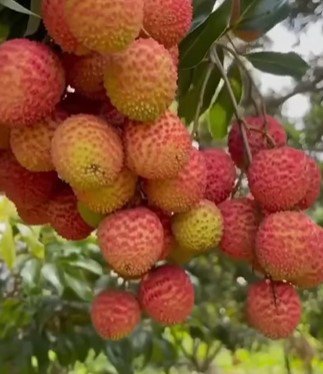
Lychee Plant Rare Fruit Garden Plant Home Live Plant Rare Garden #MPS
It seems like you might be referring to the fruit known as "Lychee" (Litchi chinensis), rather than a plant named "Lechy." Lychee is a tropical fruit tree native to the Guangdong and Fujian provinces of China and is now cultivated in many parts of Asia and other tropical regions worldwide. Here’s some information about the Lychee plant:
1. **Appearance**: The Lychee tree is an evergreen tree that can grow up to 30-40 feet (9-12 meters) tall. It has dense, glossy leaves that are pinnate (feather-like) and can reach lengths of 6-10 inches (15-25 cm). The tree produces small, round to oval-shaped fruits with a rough, leathery skin.
2. **Fruit**: The Lychee fruit is roughly golf ball-sized, with a pink to reddish-brown rough skin that peels easily to reveal translucent white or pinkish flesh. The flesh is juicy, sweet, and aromatic, with a floral flavor profile. Each fruit contains a single large seed.
3. **Climate**: Lychee trees thrive in tropical to subtropical climates. They require warm temperatures and high humidity to grow and fruit successfully. They are sensitive to cold temperatures and can be damaged by frost.
4. **Sunlight**: Lychee trees prefer full sun to partial shade. They need ample sunlight to produce high-quality fruit.
5. **Soil**: Well-draining, acidic soil is ideal for Lychee trees. They prefer soil with a pH level between 5.0 and 5.5. Sandy loam soils are often recommended.
6. **Watering**: Lychee trees require regular watering, especially during dry periods and when the fruit is developing. Keep the soil consistently moist but not waterlogged.
7. **Fertilizing**: Feed Lychee trees with a balanced fertilizer formulated for fruit trees. Apply fertilizer during the growing season to promote healthy growth and fruit production.
8. **Pollination**: Lychee flowers are typically pollinated by bees and other insects. Adequate pollination is essential for fruit set and development.
9. **Pruning**: Prune Lychee trees to maintain their shape and remove dead or diseased branches. Pruning can also improve air circulation and sunlight penetration into the canopy.
10. **Harvesting**: Lychee fruit is harvested when fully ripe. The skin should be reddish-pink or reddish-brown, and the fruit should yield slightly to gentle pressure when squeezed. Harvesting too early can result in fruit that is not fully sweet or flavorful.
Lychee trees can be challenging to grow outside of their native tropical and subtropical regions due to their specific climate requirements. However, with proper care in terms of sunlight, watering, soil conditions, and fertilization, they can be cultivated successfully in suitable climates and provide delicious fruit for fresh eating or use in various culinary preparations.
In the photo is not factual item...
The size live plant item depends on stock...
Thank you
It seems like you might be referring to the fruit known as "Lychee" (Litchi chinensis), rather than a plant named "Lechy." Lychee is a tropical fruit tree native to the Guangdong and Fujian provinces of China and is now cultivated in many parts of Asia and other tropical regions worldwide. Here’s some information about the Lychee plant:
1. **Appearance**: The Lychee tree is an evergreen tree that can grow up to 30-40 feet (9-12 meters) tall. It has dense, glossy leaves that are pinnate (feather-like) and can reach lengths of 6-10 inches (15-25 cm). The tree produces small, round to oval-shaped fruits with a rough, leathery skin.
2. **Fruit**: The Lychee fruit is roughly golf ball-sized, with a pink to reddish-brown rough skin that peels easily to reveal translucent white or pinkish flesh. The flesh is juicy, sweet, and aromatic, with a floral flavor profile. Each fruit contains a single large seed.
3. **Climate**: Lychee trees thrive in tropical to subtropical climates. They require warm temperatures and high humidity to grow and fruit successfully. They are sensitive to cold temperatures and can be damaged by frost.
4. **Sunlight**: Lychee trees prefer full sun to partial shade. They need ample sunlight to produce high-quality fruit.
5. **Soil**: Well-draining, acidic soil is ideal for Lychee trees. They prefer soil with a pH level between 5.0 and 5.5. Sandy loam soils are often recommended.
6. **Watering**: Lychee trees require regular watering, especially during dry periods and when the fruit is developing. Keep the soil consistently moist but not waterlogged.
7. **Fertilizing**: Feed Lychee trees with a balanced fertilizer formulated for fruit trees. Apply fertilizer during the growing season to promote healthy growth and fruit production.
8. **Pollination**: Lychee flowers are typically pollinated by bees and other insects. Adequate pollination is essential for fruit set and development.
9. **Pruning**: Prune Lychee trees to maintain their shape and remove dead or diseased branches. Pruning can also improve air circulation and sunlight penetration into the canopy.
10. **Harvesting**: Lychee fruit is harvested when fully ripe. The skin should be reddish-pink or reddish-brown, and the fruit should yield slightly to gentle pressure when squeezed. Harvesting too early can result in fruit that is not fully sweet or flavorful.
Lychee trees can be challenging to grow outside of their native tropical and subtropical regions due to their specific climate requirements. However, with proper care in terms of sunlight, watering, soil conditions, and fertilization, they can be cultivated successfully in suitable climates and provide delicious fruit for fresh eating or use in various culinary preparations.
In the photo is not factual item...
The size live plant item depends on stock...
Thank you


 ID, Jawa Timur